Two operators quote the same trip, same class of aircraft, and the numbers land $6,000 apart. Nobody is cheating you — they're solving different math problems. A charter quote is a stack of real costs plus a margin, and once you can read the stack, the differences stop being mysterious. Here's the anatomy.
The flying you pay for that you never see
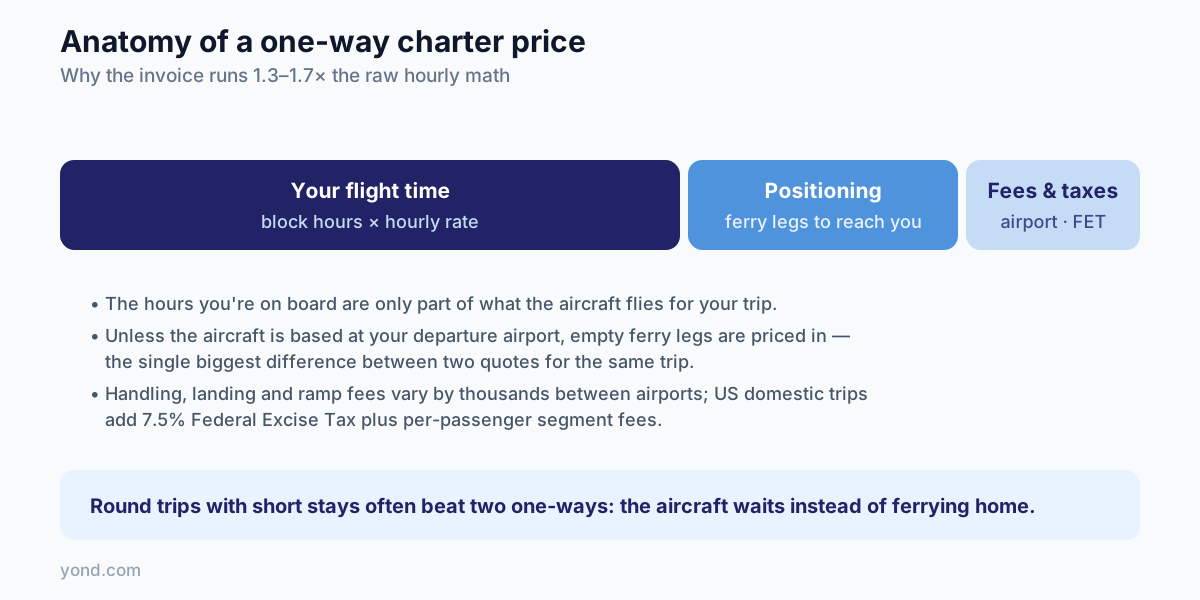
The biggest hidden variable is positioning — getting the aircraft to your departure airport and back to wherever it lives or works next. If a Challenger 350 is based at Teterboro and you're flying out of Teterboro, the positioning flight is a taxi across the ramp. If the nearest available aircraft is in Charlotte, the operator flies it up empty — a deadhead — and that hour-plus of fuel, crew, and engine time lands in your quote.
This is the single biggest reason two quotes differ. One operator has an aircraft in the right place; the other is charging you to fix geography. It's also why the rule of thumb for one-way pricing is block hours × hourly rate × ~1.5 — the multiplier is mostly repositioning.
Crew limits shape the price too
Part 135 crews operate under duty-time limits — a hard ceiling on how long a crew can be on duty in a day. For a straightforward morning trip, this is invisible. For a long day — say, out at 7 a.m., a full-day meeting, home at 10 p.m. — the operator may need to plan a second crew, an overnight, or a crew swap, and each option costs differently. A quote that looks expensive may simply be from an operator who priced the crew problem honestly; the certificate rules under Part 135 don't bend for anyone's calendar.
Fees, taxes, and the ground stack
Below the flying itself sits a layer of pass-through costs:
- Airport and handling fees. Landing fees, ramp or parking charges, and FBO handling vary enormously — a big international airport can cost several times what an executive field does.
- Federal excise tax. Domestic US charters carry a 7.5% federal excise tax plus per-passenger segment fees; international itineraries swap that for departure taxes and permit costs.
- Catering, de-icing, Wi-Fi. Small individually, but they're why a winter quote to a northern airport quietly runs higher than the summer version of the same trip.
- Overnights. If the aircraft and crew wait for you, you pay crew hotels and daily minimums; sometimes flying the aircraft home and back is genuinely cheaper, and the operator will price both ways.
Then the margin — and the judgment
On top of costs sits the operator's margin, and around everything sits judgment: how likely is the schedule to slip, will the return leg be resellable, is this a peak weekend where the aircraft could earn more elsewhere. On peak days that judgment shows up as premiums of 15% and up; inside four days of departure, expect 20–30% on top. This is also where quotes legitimately diverge — an operator who thinks it can resell your return one-way on a busy corridor can price tighter than one flying home empty.
How to compare quotes intelligently
Don't just rank totals. Check what each quote assumes: which airport pair, which aircraft year, whether positioning is local or long, whether taxes and fees are included. A cheaper quote on an older aircraft positioning in from two states away is a different product from a local tail at a higher price. Our charter cost guide covers the market-rate side of this.
The Yond app is built for exactly this anatomy: its instant estimates break each real aircraft's price into scenarios — staying, returning to base, or repositioning — with the ferry legs priced out, and each aircraft names the certified Part 135 operator to call for the firm quote. So when two numbers differ, you can see why.